
Psoas Release During Pregnancy for Pelvic Mobility, Baby’s Space & Labor & Birth Prep
Pregnant, and living in the city? You’ve probably experienced some unique challenges—long hours sitting, commuting, carrying mental load and moving quickly through crowded spaces, especially during holiday season.
For a city dweller, the body often braces. Pregnancy, on the other hand, invites you to soften, expand and slow down.
One of the muscles most affected by this tension is the psoas. That’s why learning how to gently release the psoas during pregnancy is important. It’s not enough to simply stretch it. Releasing your psoas can support pelvic mobility, create space for your baby’s development, prepare your body for labor, and helps reduce stress and anxiety.
Why the Psoas Matters in Pregnancy
The psoas muscle is a deep hip flexor that connects your spine to your legs, and it plays a central role in posture, walking, balance and stability. If you’ve ever felt tightness at the hip crease and frontal thigh, that’s your psoas.
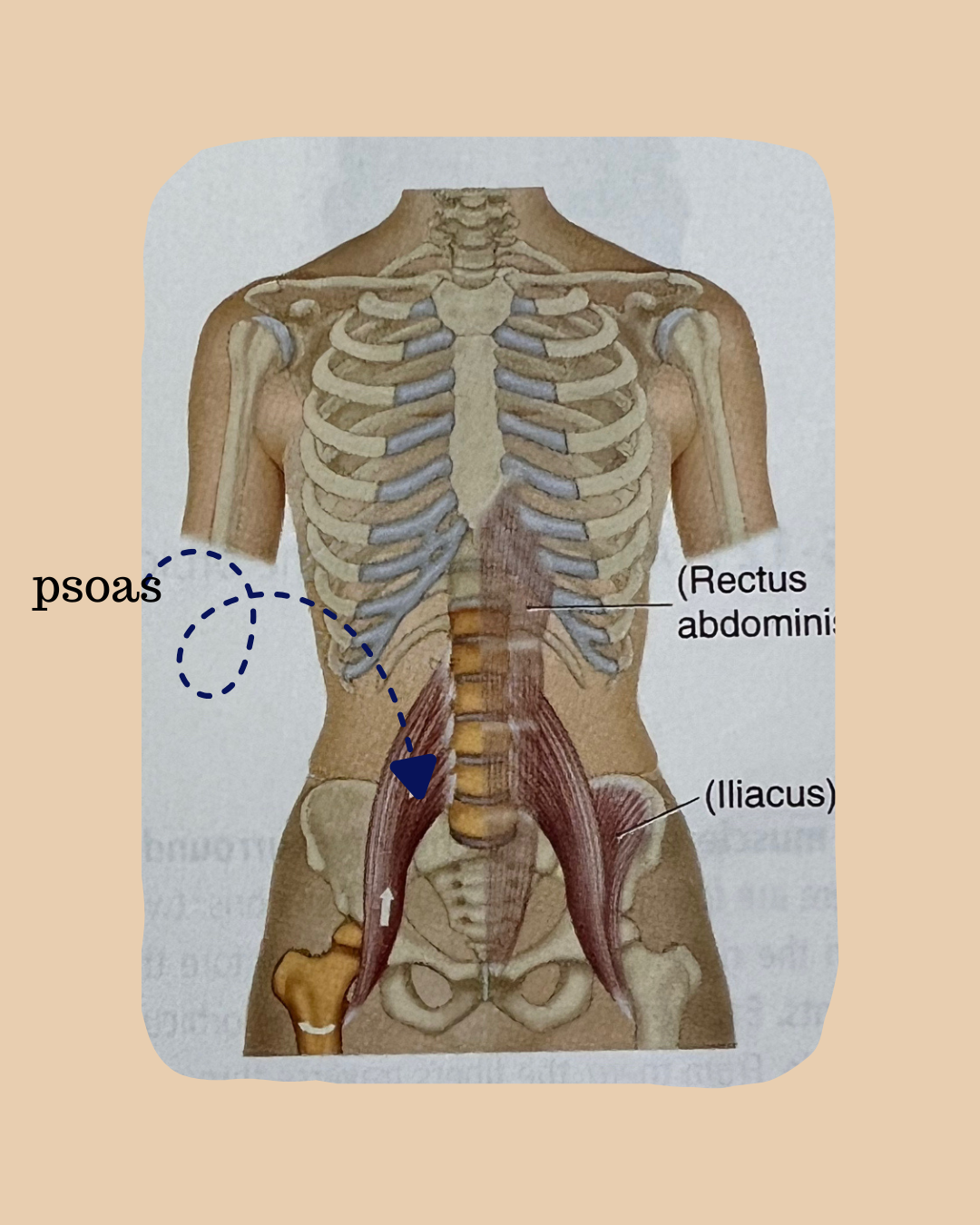
The psoas connects the upper and lower body, and is one of the largest muscles in your body. It plays a significant role in the function of your pelvis.
During pregnancy, as your center of gravity shifts and your pelvis adapts to accommodate a growing baby, the psoas works harder than usual. Add in prolonged sitting, stress and shallow breathing—common realities for city-dwelling mothers—and the psoas often becomes shortened and tense.
This tension shows up as tight hips or lower back discomfort. Because the psoas is closely connected to the nervous system, it can also reflect emotional stress and anxiety. If your psoas is tight, you could be living in a state flight, flight or freeze, where your sympathetic nervous system is chronically activated.
Are you experiencing tightness at the hip crease and across frontal thigh?
Release your psoas for relief and relaxation while preparing for birth and motherhood.
How a Tight Psoas Affects the Pelvis, Baby & Labor
Pelvic Mobility & Alignment
A tight psoas can gently pull the pelvis out of balance, limiting mobility in the hips and lower spine. When your pelvis becomes less mobile, everyday movements—walking, standing, turning in bed—can feel restricted or uncomfortable.
Pelvic mobility during pregnancy is not about extreme flexibility. It’s about allowing the bones, muscles and connective tissue to respond and adapt with ease.
Creating Space for Baby’s Development
Your baby responds to the shape and tone of your pelvis and surrounding tissues. When the pelvis is balanced and mobile, it creates more functional space in the womb. This space can support optimal fetal positioning and allow your baby to move and settle naturally.
Releasing psoas tension during pregnancy is one way to support this balance—not by forcing space, but by removing unnecessary holding.
Preparing the Body for Labor
Labor is a process of rhythmic movement, descent, and rotation. A psoas that can soften and respond helps the pelvis open dynamically as your baby moves through the birth canal.
Rather than “stretching for birth,” releasing the psoas supports the body’s innate ability to yield—an essential skill for labor.
The Emotional & Nervous System Role of the Psoas
The psoas is often called a “fight-or-flight muscle.” When the nervous system perceives stress—deadlines, noise, crowds, emotional overwhelm—the psoas subtly contracts or braces, preparing the body to act.
During pregnancy, this can translate into:
Persistent hip or pelvic tension
Shallow breathing
Heightened anxiety
Difficulty fully relaxing
Gentle psoas release can signal safety to the nervous system, helping shift the body out of chronic alertness and into a regulated, grounded state. Many pregnant women notice physical relief as well as emotional centering.
Benefits of Releasing the Psoas During Pregnancy
Releasing the psoas supports your body’s natural intelligence. Benefits may include:
Improved pelvic mobility and alignment
Reduced lower back and hip discomfort
More ease in walking and daily movement
Deeper, more effective breathing
Reduced stress and pregnancy-related anxiety
Increased body awareness and trust in preparation for labor
Gentle & Safe Ways to Release the Psoas During Pregnancy
Even if you’re a high-achieving woman - especially if you’re a high-achieving woman, learning to release your psoas helps you prepare for birth and motherhood.
Take my client, for example: A second-time mom. During her first pregnancy, she resisted slowing down and making time for supported, restorative postures. But with a toddler at home and the demands of work, she’s now committed to giving herself 15 minutes/day, amid her blosters, to release tension in her body and breathe consciously. It’s helping her stay calm and relaxed. She reports sleeping better too!
Supported Positions - Not Stretching
Instead of aggressive stretching, focus on supported positions. A reclined position, using bolsters or pillows to support your head and upper body is often comfortable for most of the pregnancy.
Passive support allows the psoas to lengthen naturally when it feels safe to do so. It signals to you and your baby that you’re safe.
Breathwork for Psoas Release
Breathing is one of the safest and most effective ways to access the psoas.
In your supported posture, try this:
Place one hand on your lower ribs, one on your belly
Inhale slowly through your nose, allowing your ribs and belly to expand
Exhale fully through your mouth, letting your body soften into the support beneath you
This type of 3-D Breathing helps calm the nervous system and encourages the psoas to release without force.

When you practice 3-D Breathing, focus on the horizontal expansion of your ribcage.
True release happens through permission, not pressure.
Is It Safe to Release the Psoas During Pregnancy?
For most pregnancies, gentle psoas release is safe and beneficial. The key is to avoid pain, force or aggressive stretching. If you have pelvic instability, significant pain or medical concerns, working with a prenatal-trained professional like a yoga teacher or pelvic floor therapist can provide additional support.
Trust your body. With gentle release, begin to experience grounding and relaxation.
Releasing the Psoas: A Practice of Trust
During pregnancy it’s safe to stretch your psoas, and it probably feels good, especially after a day of sitting at your desk. Lunges and Warrior 1 can be helpful, as long as you’re mindful to move slowly. Be sure to complement any fitness routine with passive psoas release as discussed above.
Releasing the psoas during pregnancy isn’t just physical preparation—it’s emotional and intuitive preparation too. It teaches your body how to soften, adapt and trust its own wisdom.
It soothes your nervous system and your baby’s, prepare you well for labor and establish a healthy habit that supports postpartum recovery and the beautiful chaos of motherhood.
In a world that often asks pregnant women to do more, psoas release is an invitation to do less, listen more and create space—within your pelvis, your breath, your mind and your heart.
Rest, release and relax to prepare for birth.
For additional guidance on how to surrender and set yourself up for a beautiful birth, click the button below.